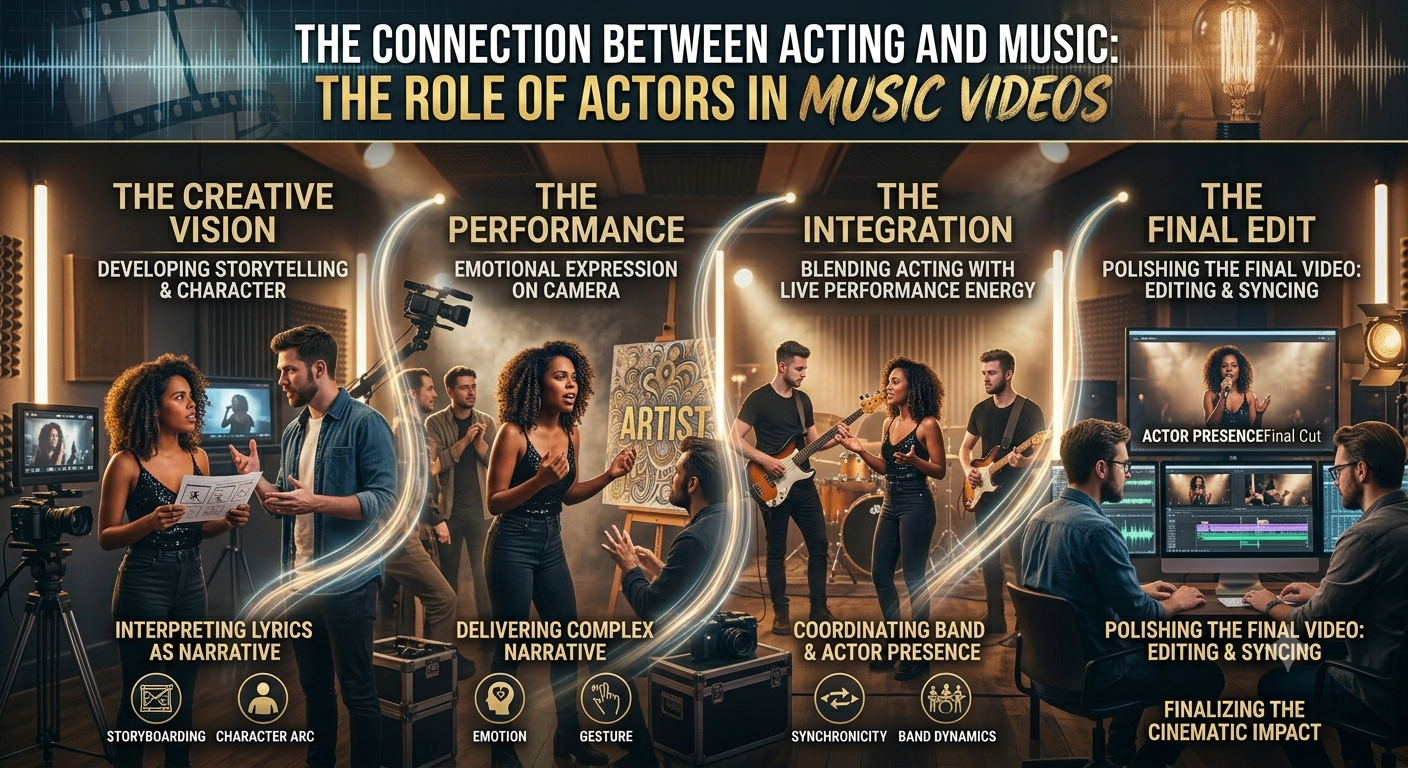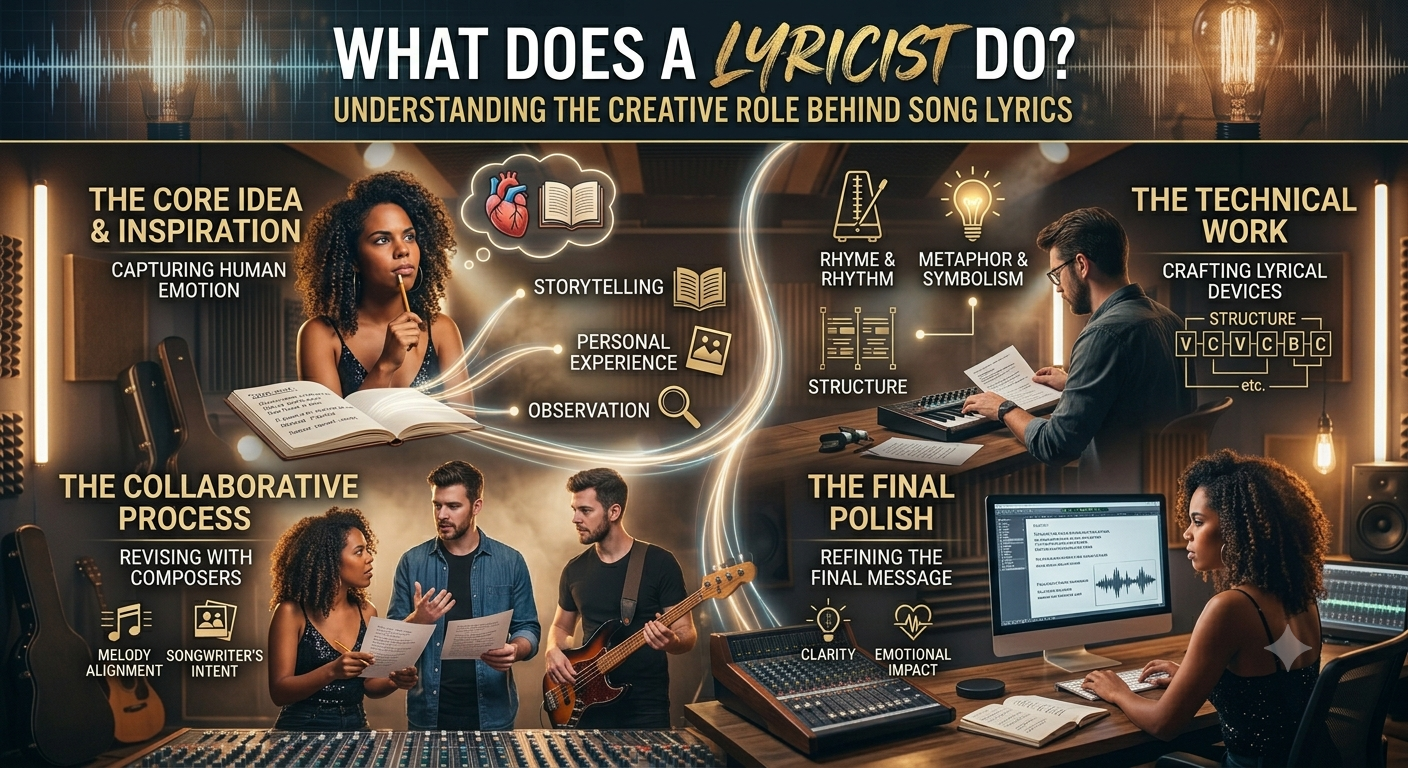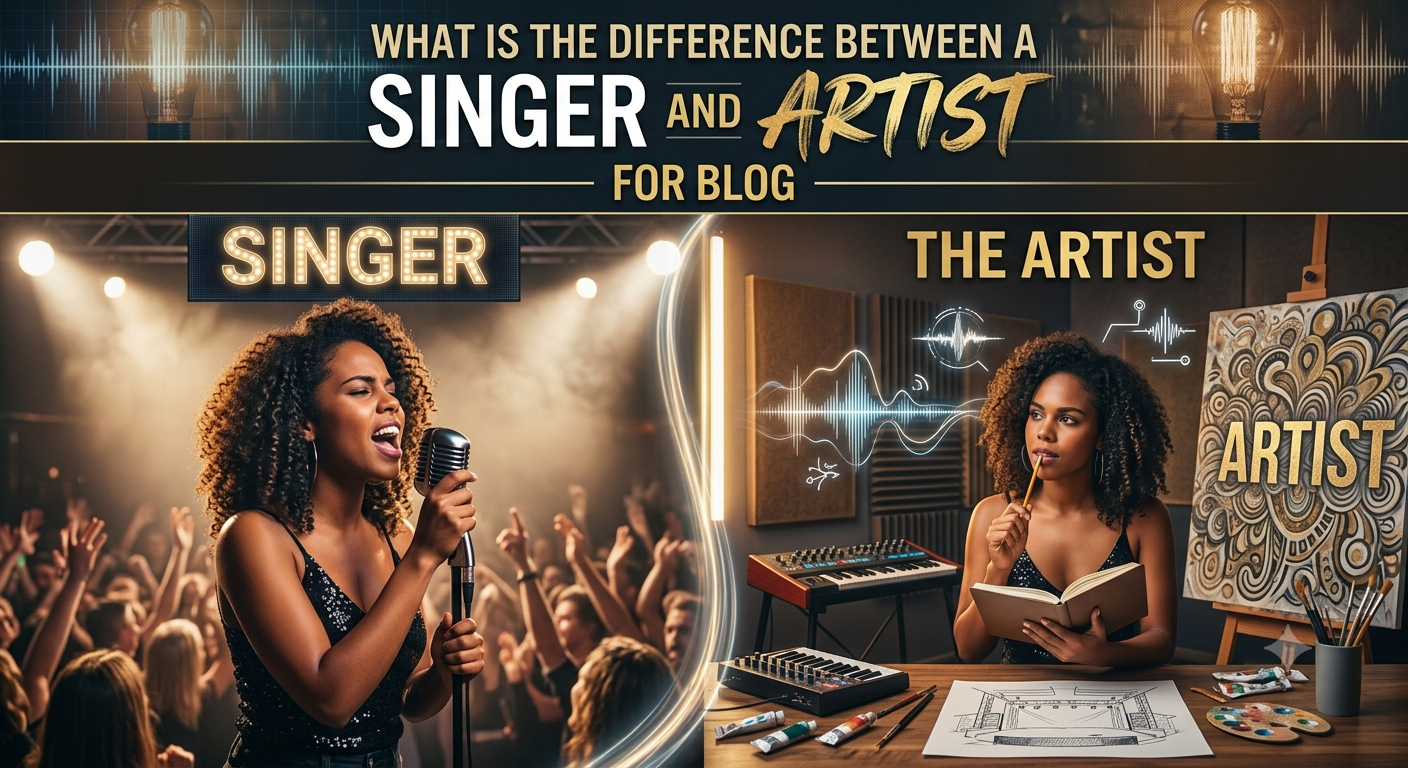
<p>The music industry is constantly changing. Alongside established names and traditional music systems, independent artists are creating new opportunities to share their music, connect with audiences, and build their own identities. An independent artist does not always have to follow a single path. A singer can release original music, a lyricist can collaborate with composers, and a music artist can explore different genres, sounds, and creative formats. What Is an Independent Artist? An independent artist is a creative professional who works outside or with limited dependence on traditional large-scale music structures. Independent singers, musicians, lyricists, composers, producers, and other artists can develop their music and creative identity through their own projects and collaborations. The Freedom to Explore Music One of the biggest advantages of independent music is creative freedom. Artists can experiment with different sounds, languages, musical styles, themes, and forms of storytelling. This freedom can allow artists to discover a sound that feels authentic to them. From devotional and traditional music to contemporary and experimental sounds, independent artists can explore a wide range of musical possibilities. Original Music and Artist Identity For an independent artist, original music can become an important part of building a long-term identity. A song can introduce listeners to an artist's voice, songwriting style, musical personality, and creative vision. Over time, a collection of original releases can help create a recognizable musical identity. Collaboration Is Still Important Independence does not mean working alone. A music project can involve singers, lyricists, composers, music producers, musicians, recording engineers, directors, actors, and other creative professionals. Collaboration allows independent artists to combine different skills and perspectives while creating music. Connecting Directly With Listeners Digital platforms have made it easier for independent artists to share their work with listeners. Music releases, music videos, social media content, live performances, and other digital experiences can help artists build relationships with their audience. However, building an audience takes time. Consistency, quality, authenticity, and meaningful communication can all contribute to an artist's long-term growth. The Future of Independent Music Independent music continues to create space for new voices and creative ideas. As technology and digital platforms continue to evolve, artists have more ways to experiment, collaborate, and introduce their work to audiences. At STHAN Music, we believe that every artist has a story worth exploring and every meaningful musical idea has the potential to connect with someone. The future of music will continue to be shaped by artists who are willing to create, experiment, collaborate, and develop their own unique sound.</p>
How Independent Artists Are Shaping the Future of Music
22 August 2026 · STHAN Music
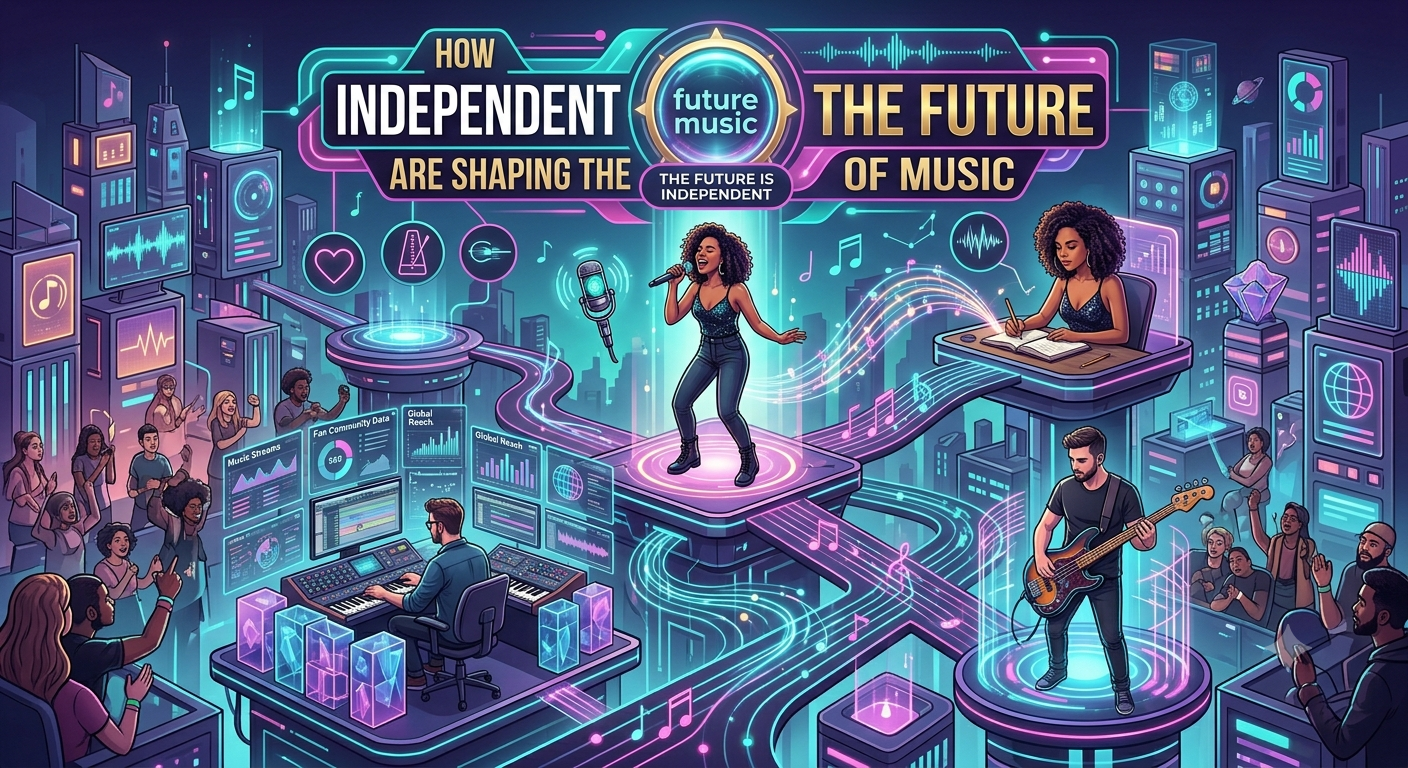
<p>Discover how independent singers, artists, lyricists, composers, and music creators are building their own identities and contributing to the changing landscape of the music industry.</p>